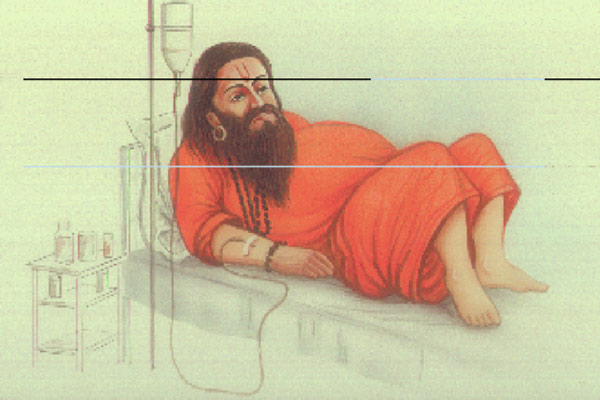
Vegetarianism is often associated with good health, a longer life, and a reduced risk of diseases. However, the author challenges this belief, arguing that simply being vegetarian does not guarantee a healthy body. According to the author, both vegetarians and non-vegetarians are vulnerable to serious illnesses, premature aging, and degenerative diseases. The real concern is not whether food comes from plants or animals, but whether it nourishes the body or contributes to poor health.
The author explains that the human body does not distinguish between unhealthy foods based on their vegetarian or non-vegetarian origins. Just as dust entering a house is harmful regardless of which window it comes through, unhealthy food can negatively affect the body regardless of its source. The author compares the consumption of grains and sugar with eating meat, suggesting that both can contribute to physical deterioration in different ways. Therefore, adopting a vegetarian lifestyle alone is not sufficient to prevent diseases.
One positive aspect of vegetarianism highlighted in the text is its association with non-violence and compassion toward animals. By avoiding meat, vegetarians generally reduce the direct killing of animals for food. However, the author argues that ethical superiority does not necessarily translate into better physical health. Both vegetarians and non-vegetarians may experience serious conditions such as cancer, heart disease, and other chronic illnesses if their dietary habits are unhealthy.
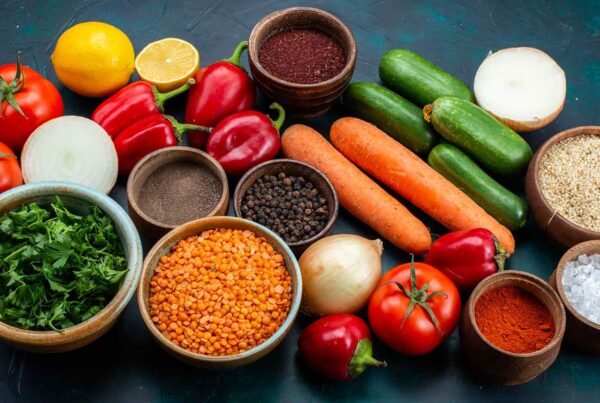
The text strongly criticizes several commonly consumed vegetarian foods, particularly refined and heavily processed products. These include white flour, refined sugar, polished rice, bakery products, biscuits, pastries, pizzas, burgers, fried foods, and foods prepared with hydrogenated fats. According to the author, such products lack essential nutrients or contain ingredients that may negatively affect health. The author also questions the consumption of excessive spices, oils, caffeinated beverages, and sugary drinks, describing them as undesirable dietary choices.
Another important argument concerns the cooking process. The author believes that cooking, frying, and excessive seasoning can destroy the natural nutritional qualities of food. According to this viewpoint, many vegetables, grains, and other plant products are consumed only because cooking and spices make them palatable. Foods that would otherwise be considered unpleasant or inedible in their natural form become acceptable through elaborate preparation. The author questions whether such foods should be regarded as ideal for human consumption.
The discussion further suggests that the human tendency to transform foods through cooking may encourage the consumption of items that are not naturally suited to the body. Examples such as grass, bitter vegetables, certain leaves, and other plant materials are used to illustrate how cooking can change the taste and appearance of food without necessarily making it nutritionally ideal. The author argues that merely surviving on a particular diet is different from achieving optimal health and vitality.
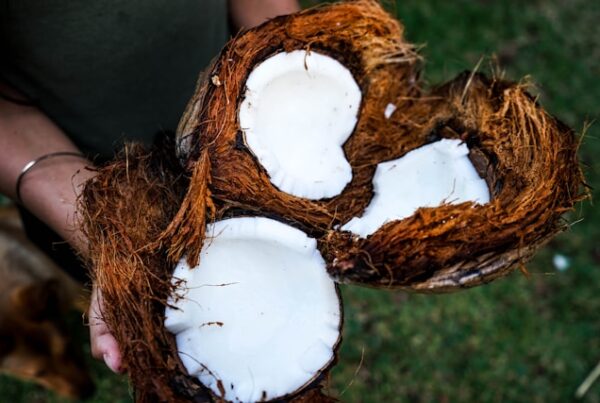
A central theme of the text is the promotion of fruitarianism, a dietary approach that emphasizes fruits and nuts. The author considers these foods naturally appropriate for human consumption and superior to grains, heavily cooked vegetables, and processed foods. Fruits and nuts are presented as sources of nourishment that require minimal preparation and retain their natural qualities. According to the author, they have maintained their nutritional importance throughout human history and represent a more natural way of eating.
The author also distinguishes between eating for survival and eating for excellent health. While a person may survive on grains, cooked vegetables, and other conventional foods, the author argues that such a diet may not provide the highest level of physical well-being. Instead, the text encourages readers to reconsider established eating habits and prioritize foods believed to support the body’s natural functioning.
Ultimately, the message is that the quality and nature of food matter more than the label of vegetarianism or non-vegetarianism. The author urges individuals to move beyond dietary identities and examine how their food choices affect their health. Rather than taking pride solely in being vegetarian, readers are encouraged to embrace a more natural, fruit-centered lifestyle.
In conclusion, the text presents fruitarianism as the author’s preferred dietary philosophy and argues that fruits and nuts should form the foundation of human nutrition. It emphasizes natural eating, minimal processing, and awareness of dietary habits as essential principles for maintaining health. The central message is that true well-being depends not merely on avoiding meat but on choosing foods that genuinely nourish the body.